When the Castle Becomes the Curator: Contemporary Art, Memory and the Weight of Place at GOPEA-Kunstraum, Burg Bentheim
Research Question
When contemporary art is placed inside a historical monument, are we still looking at the artwork - or are we confronting the history, silence and power of the place itself?
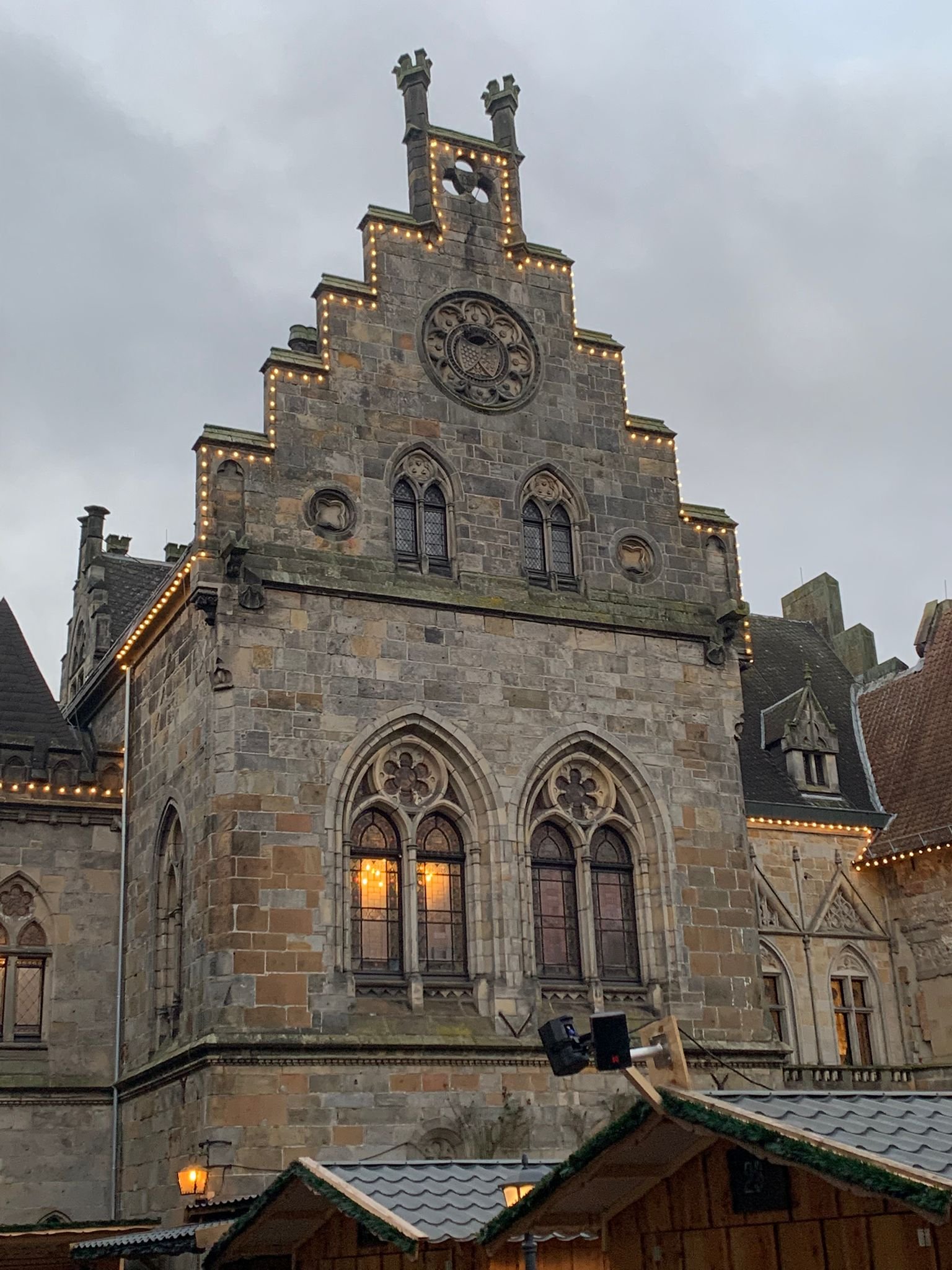
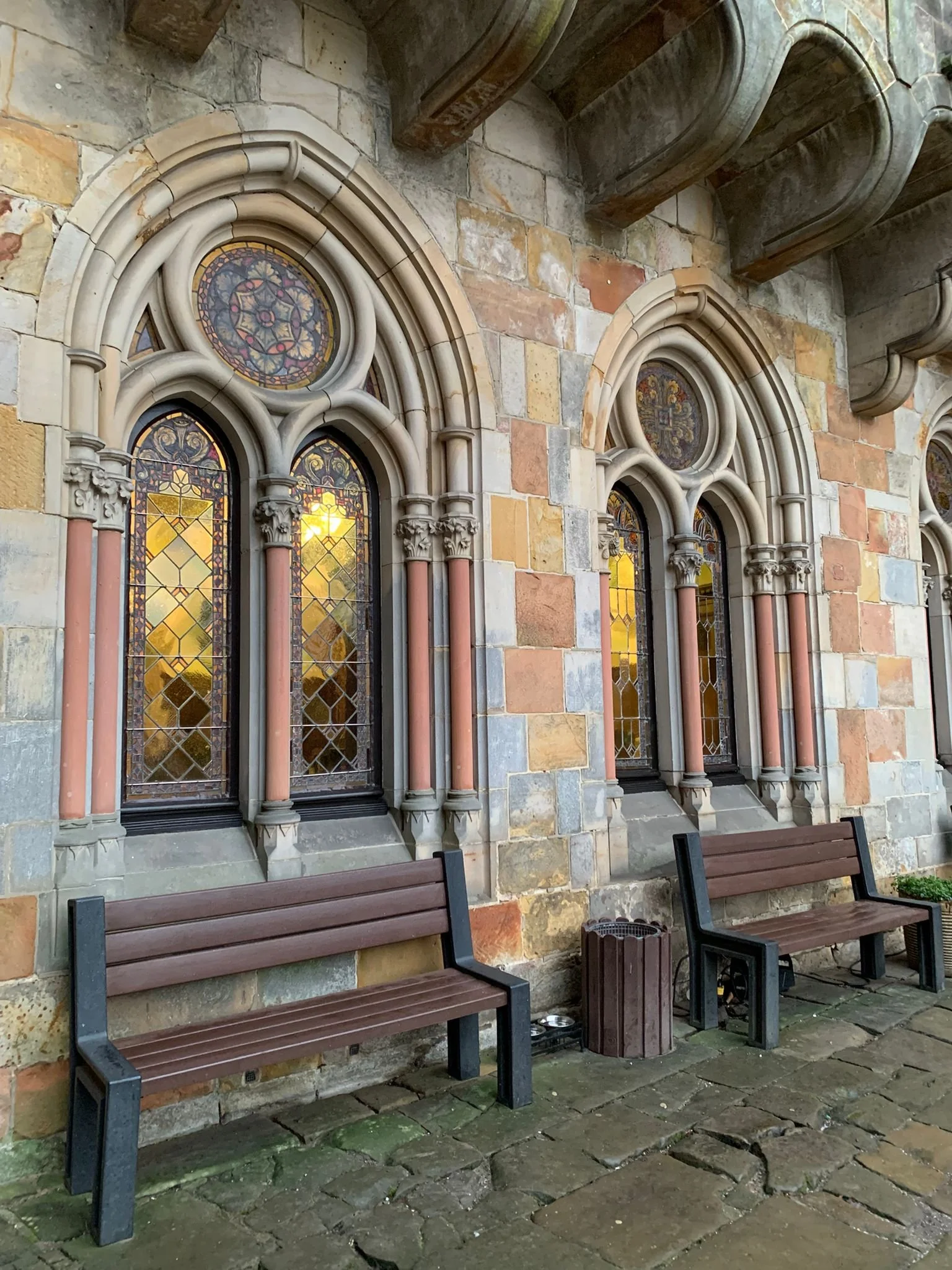
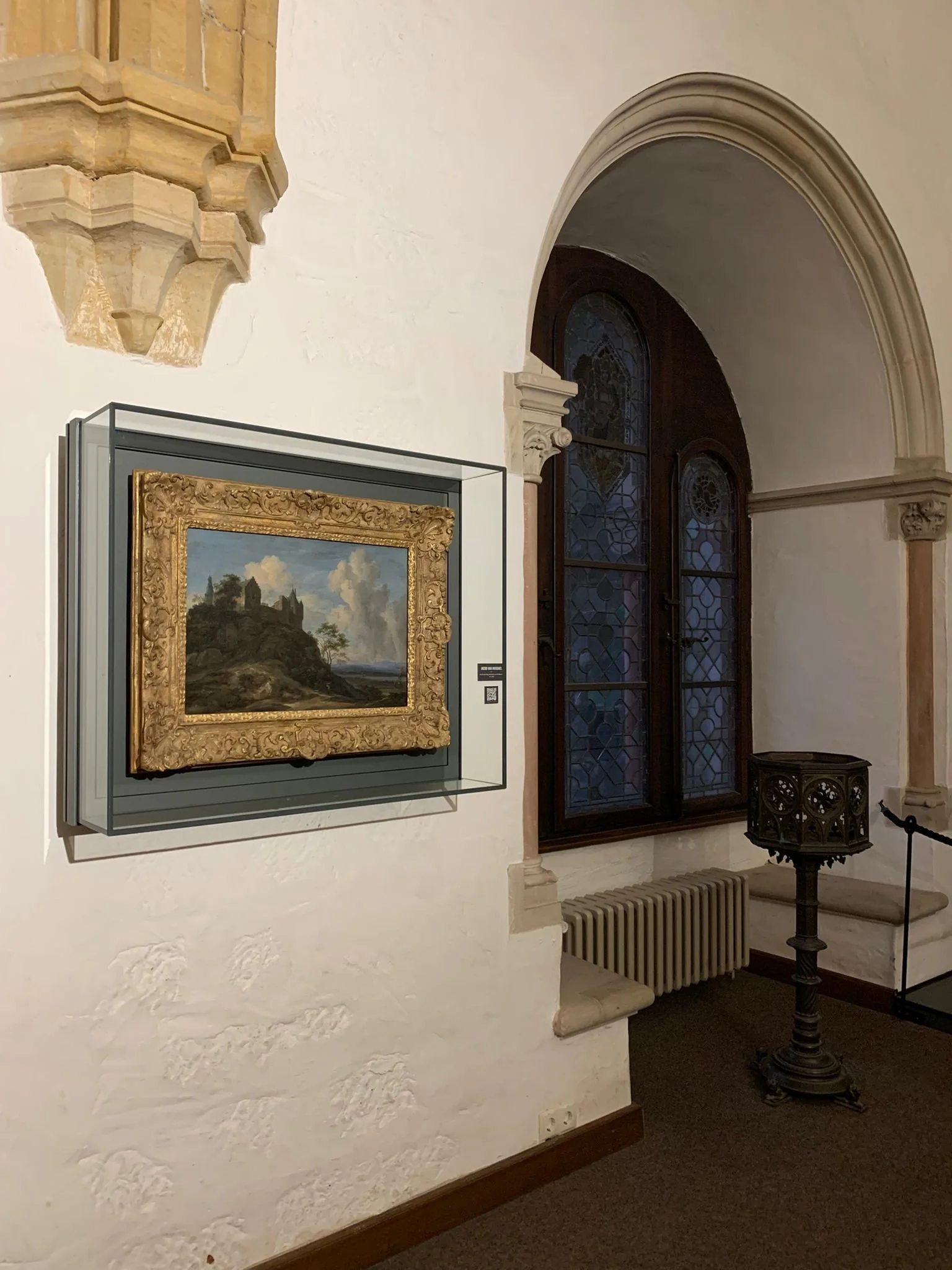
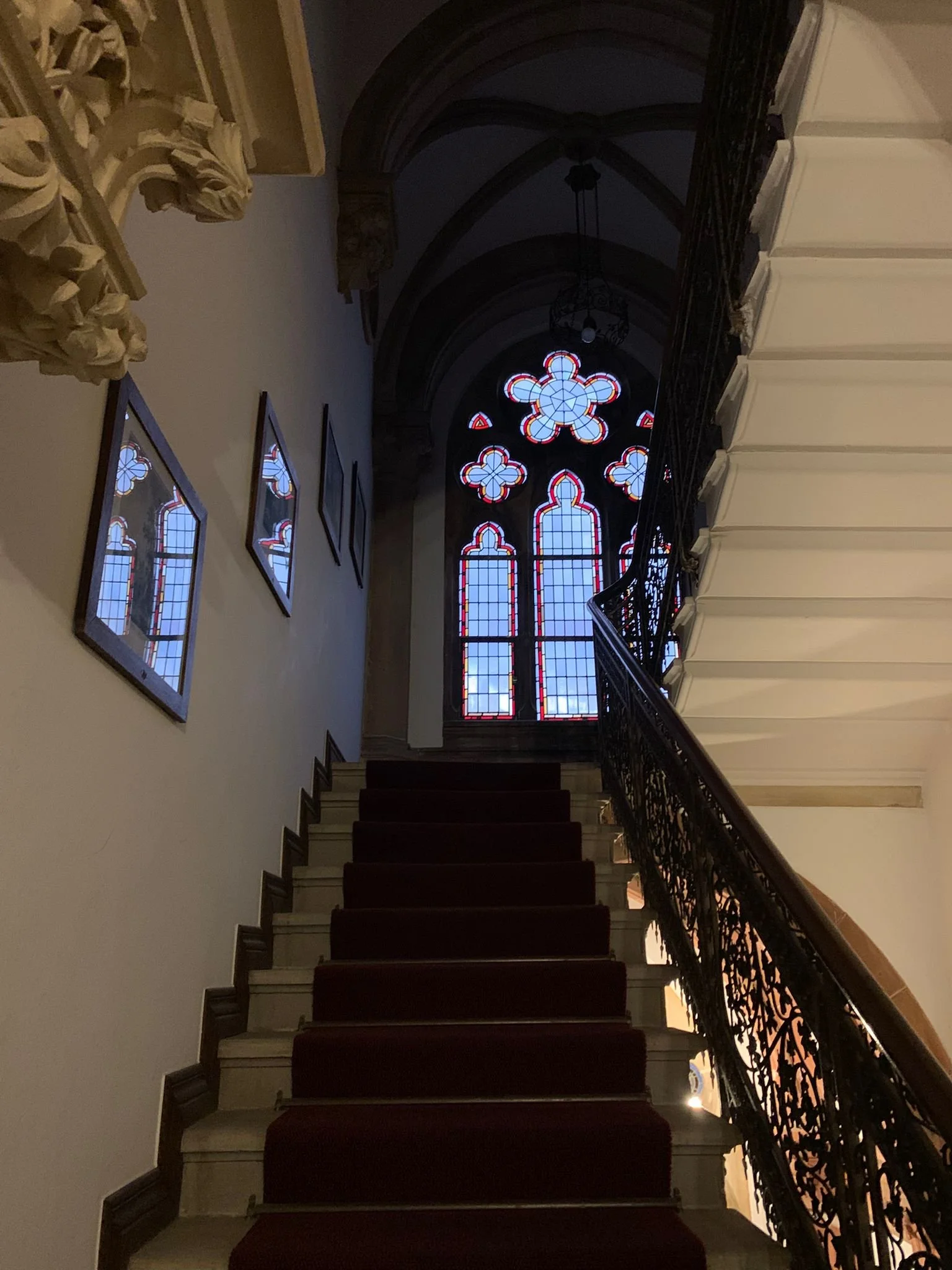
Entering a Place That Was Never Neutral
Some spaces do not wait quietly for art to be placed inside them. They already speak. Their walls, materials, histories and former functions shape the way artworks are encountered before the viewer has even begun to interpret them. This is especially true, when contemporary art is exhibited inside a historical monument, because the space is never empty. It already carries meanings connected to power, memory, social hierarchy and time.
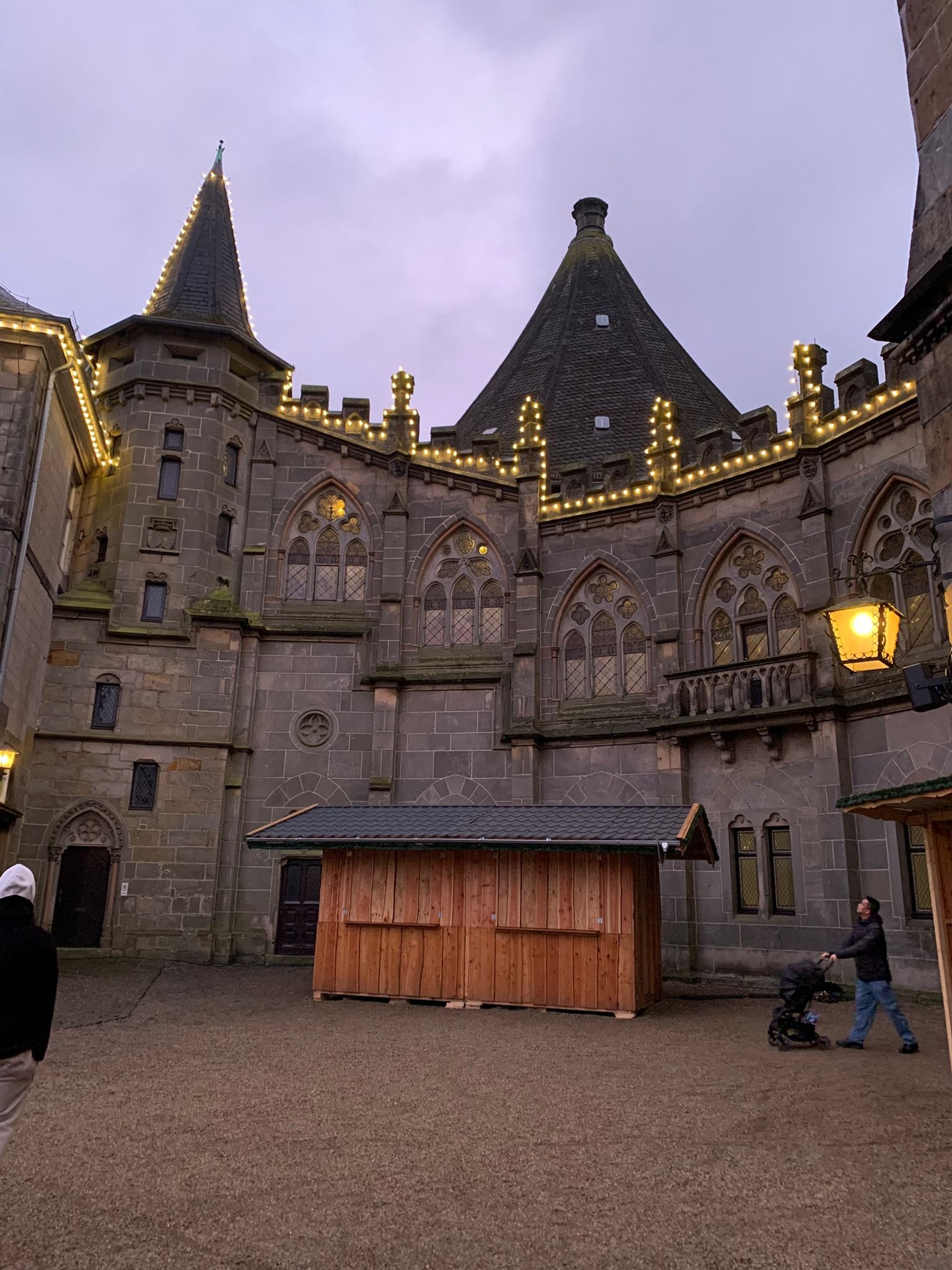
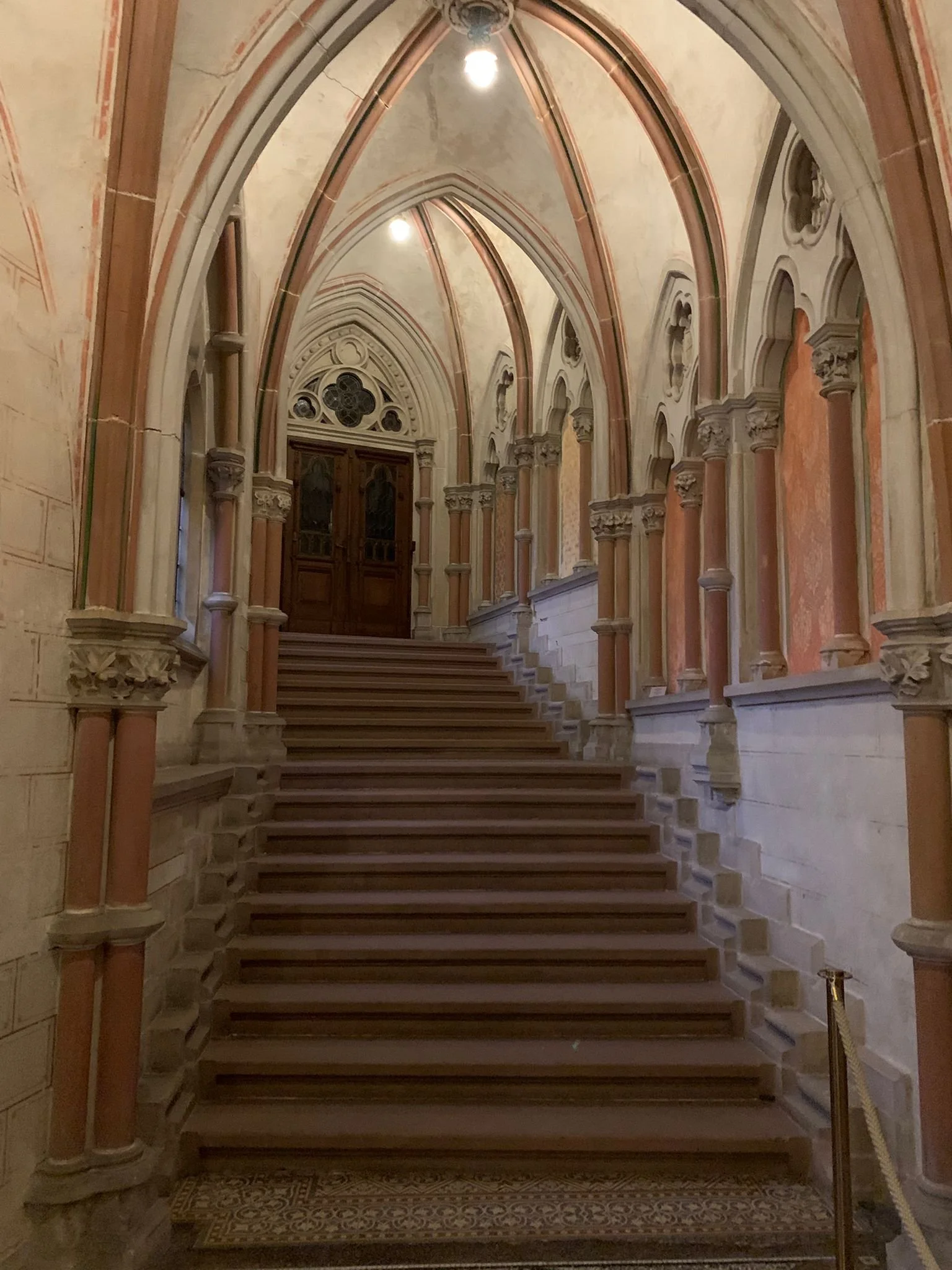
Burg Bentheim is one of those spaces. Before the viewer reaches the artwork, before the eye begins to separate colour, form, material or subject, the body has already entered history. The castle is not only seen. It is felt. Its stone walls, narrow passages, old rooms, heavy silence and preserved surfaces create an atmosphere that cannot be ignored. The viewer does not simply walk into an exhibition. They walk into a historical structure that has already shaped how they move, look and feel.
This is important, because exhibition spaces are often treated as neutral backgrounds, especially in modern museum culture. The ideal gallery is usually imagined as a clean, quiet, controlled space, where the artwork can appear separate from the world around it. However, Burg Bentheim works in a very different way. Its architecture does not disappear behind the artworks. Instead, it remains visibly and emotionally present. The castle becomes part of the viewing experience, influencing the meaning of the artworks through its material weight, historical associations and atmosphere.
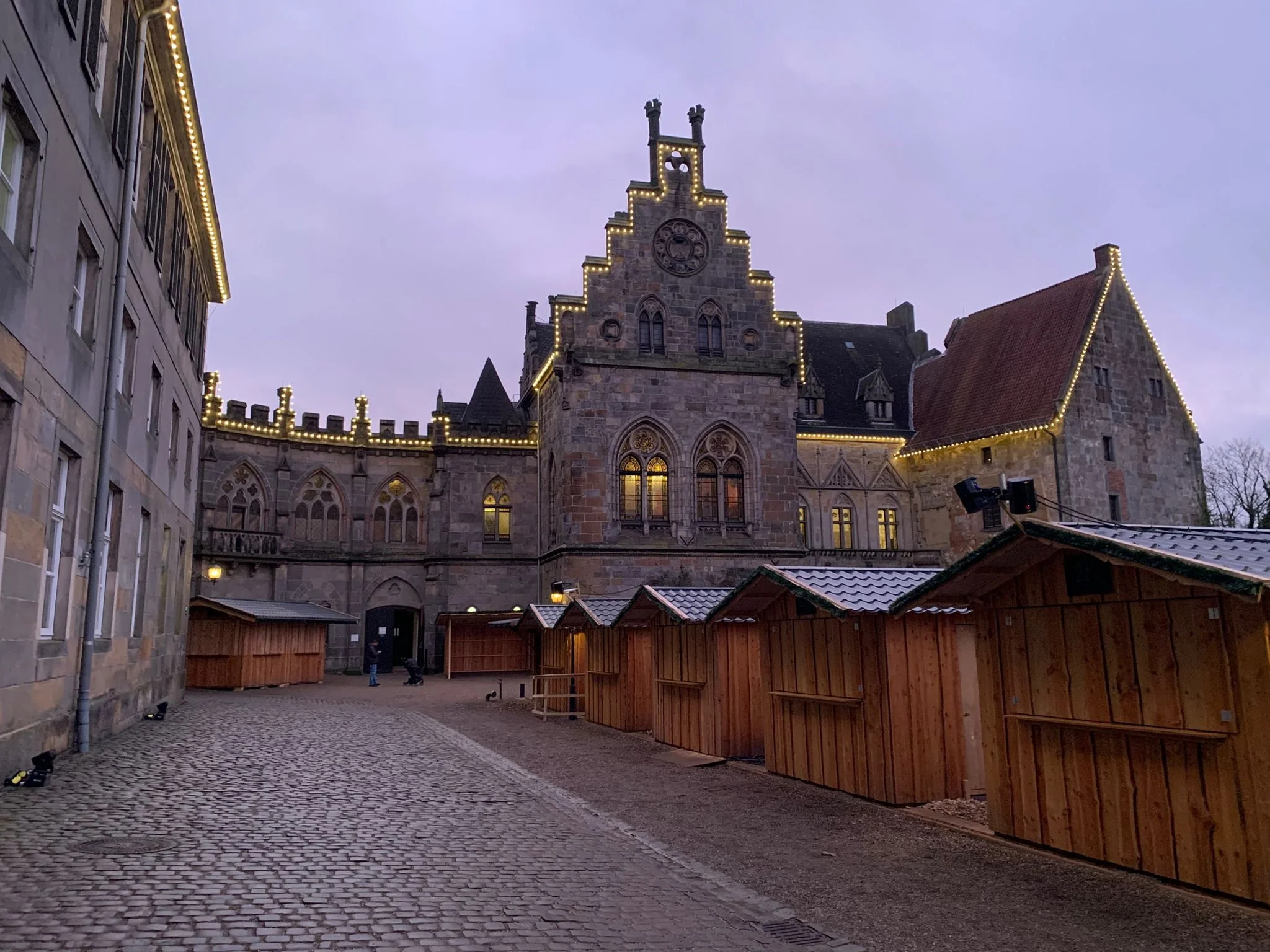
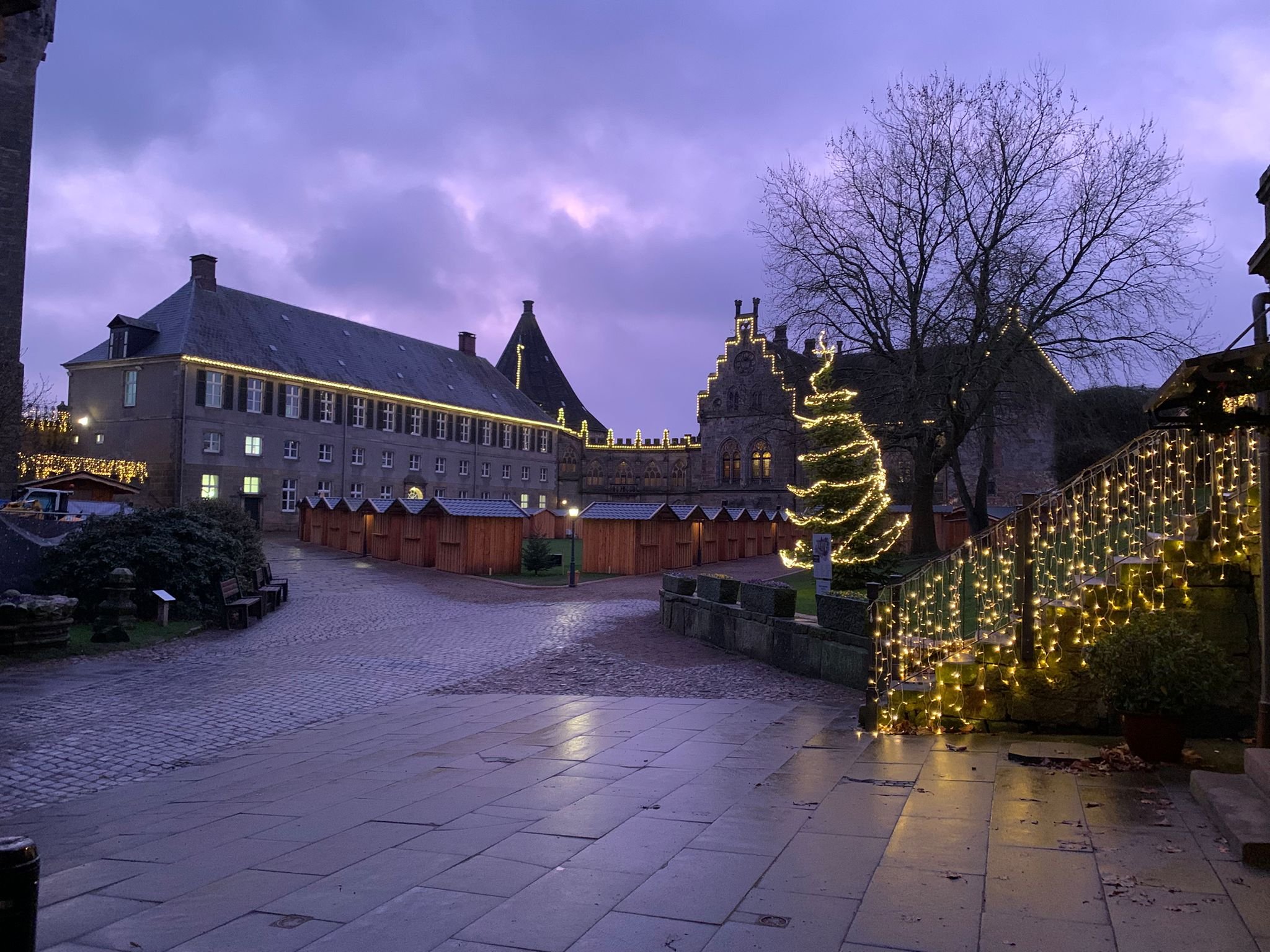
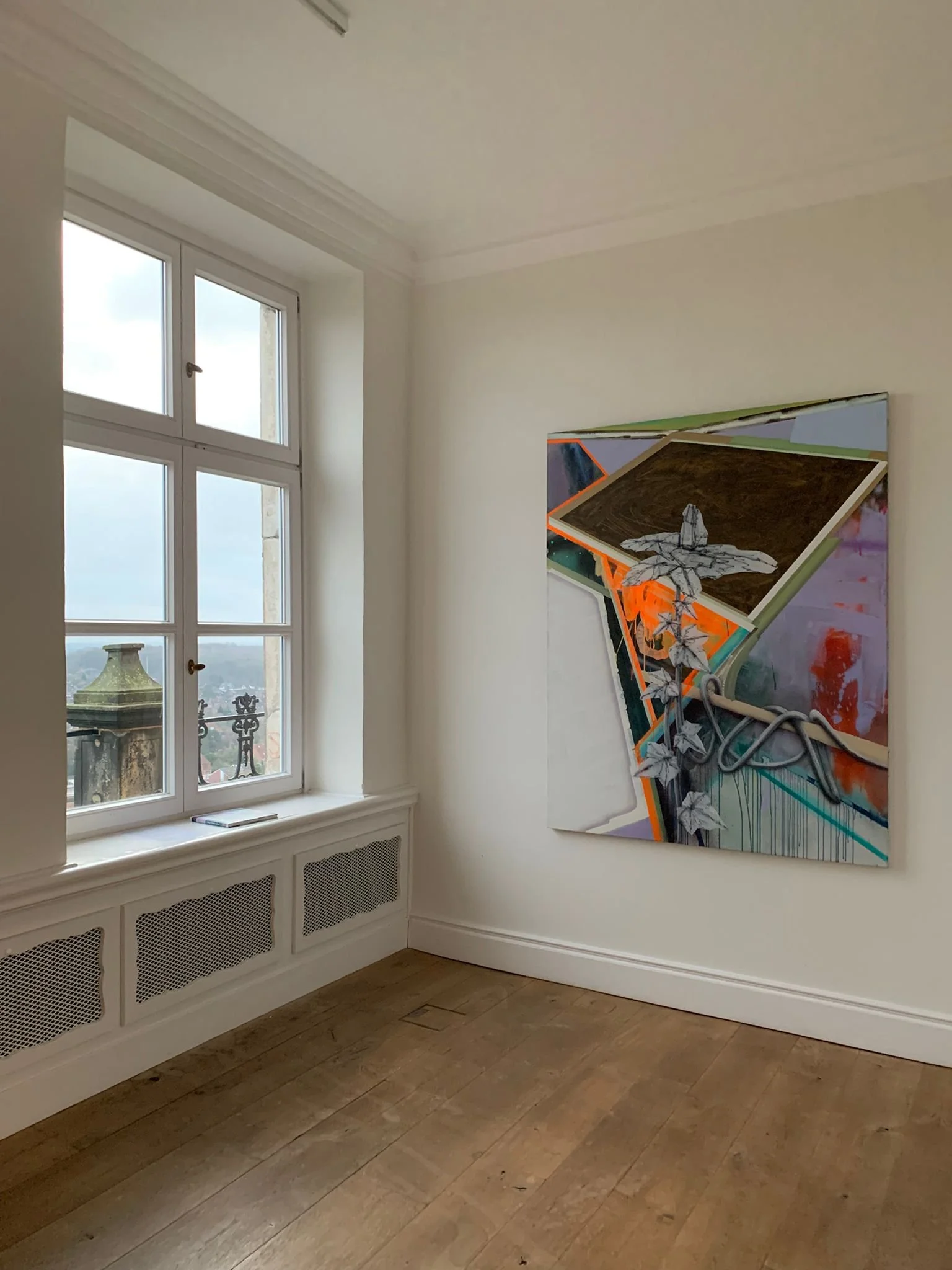
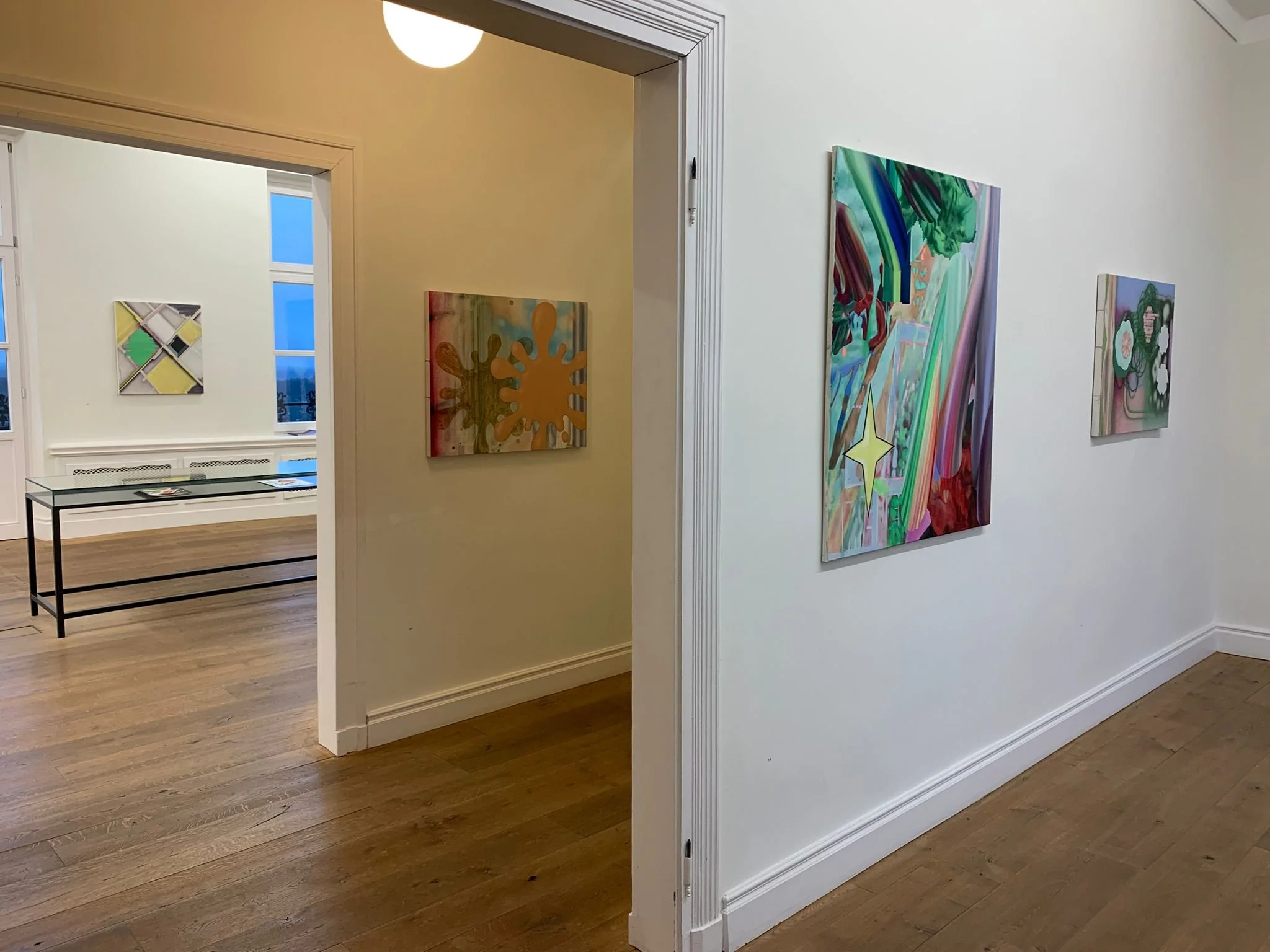
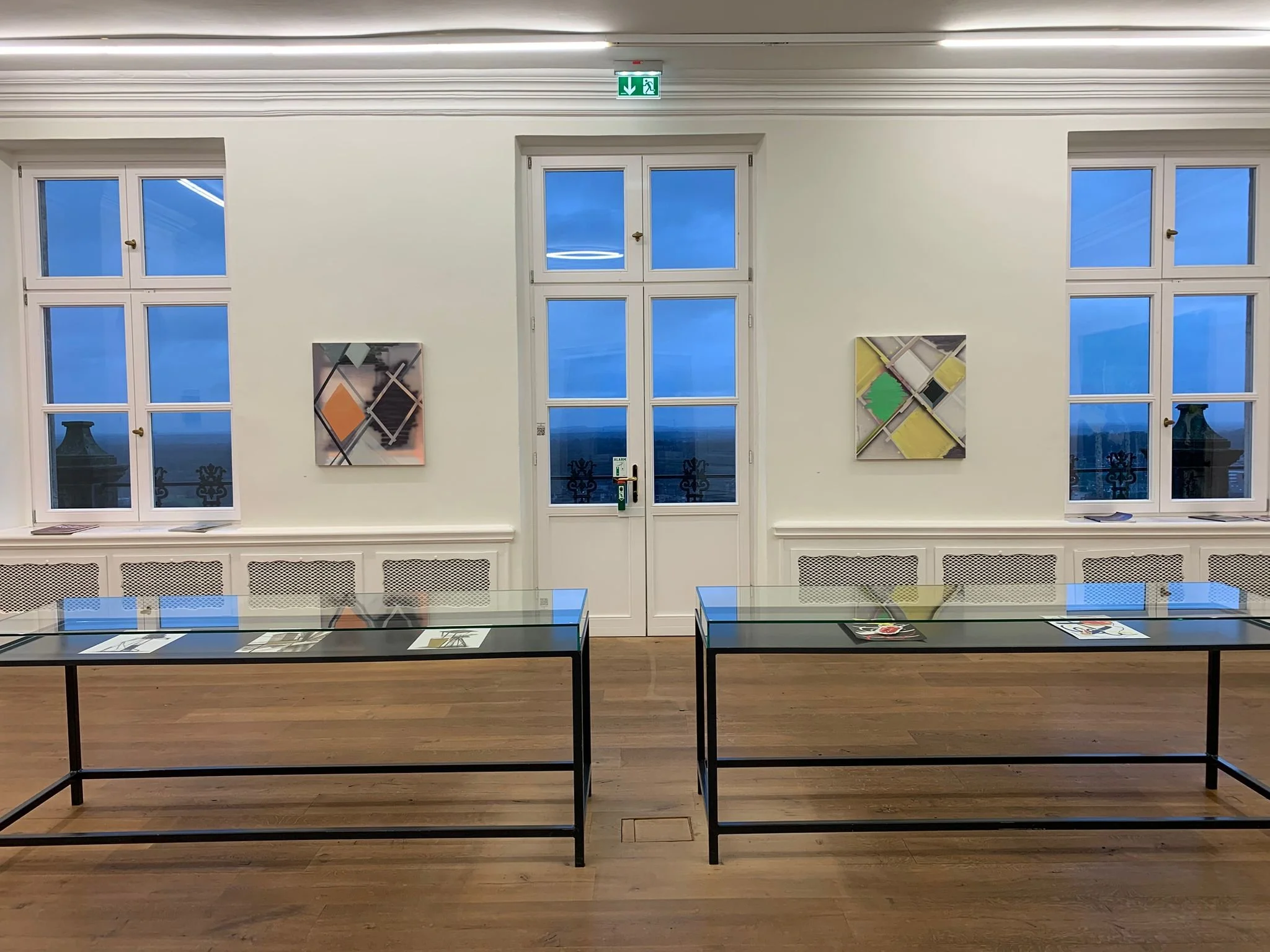
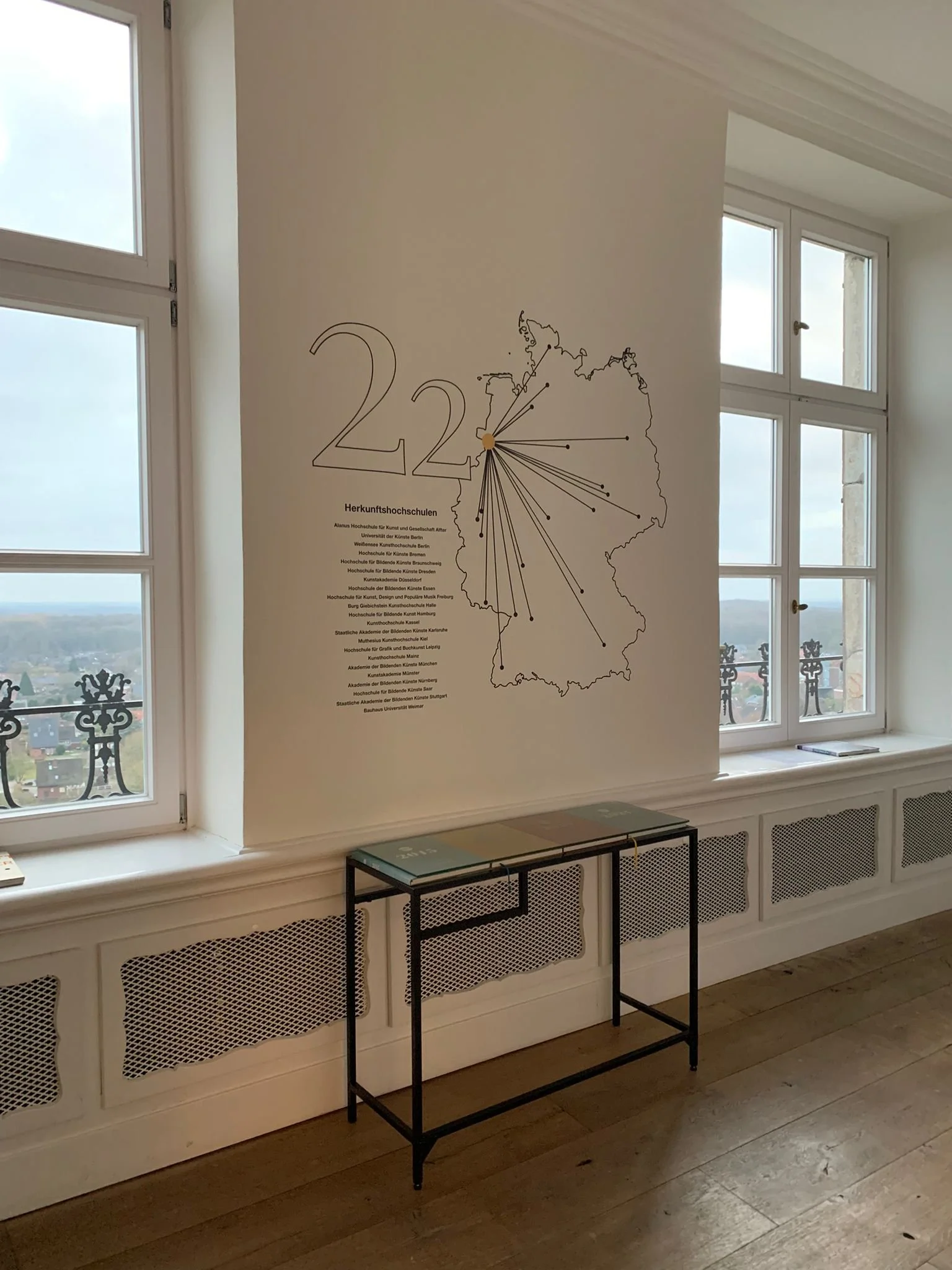
The GOPEA-Kunstraum exhibition at Burg Bentheim, Germany, creates a powerful meeting between contemporary artistic practice and historical architecture. GOPEA presents works by young artists in the former Marstall of Burg Bentheim. This location is significant, because the Marstall was originally connected to the practical and hierarchical life of the castle. It was not designed as a neutral cultural space, but as part of the castle’s working structure. Its transformation into a contemporary exhibition venue, therefore, changes its function, but does not completely erase its past. Instead, the old function remains as a trace beneath the new one.
This transformation raises an important question about how historical spaces are reused today. When a former aristocratic or functional space becomes a site for contemporary art, the past is not simply replaced by the present. Rather, both exist at the same time. The contemporary artworks bring new voices, materials and questions into the building, while the architecture continues to carry older meanings of authority, preservation, labour and social order. The exhibition, therefore, becomes a dialogue between different historical layers.
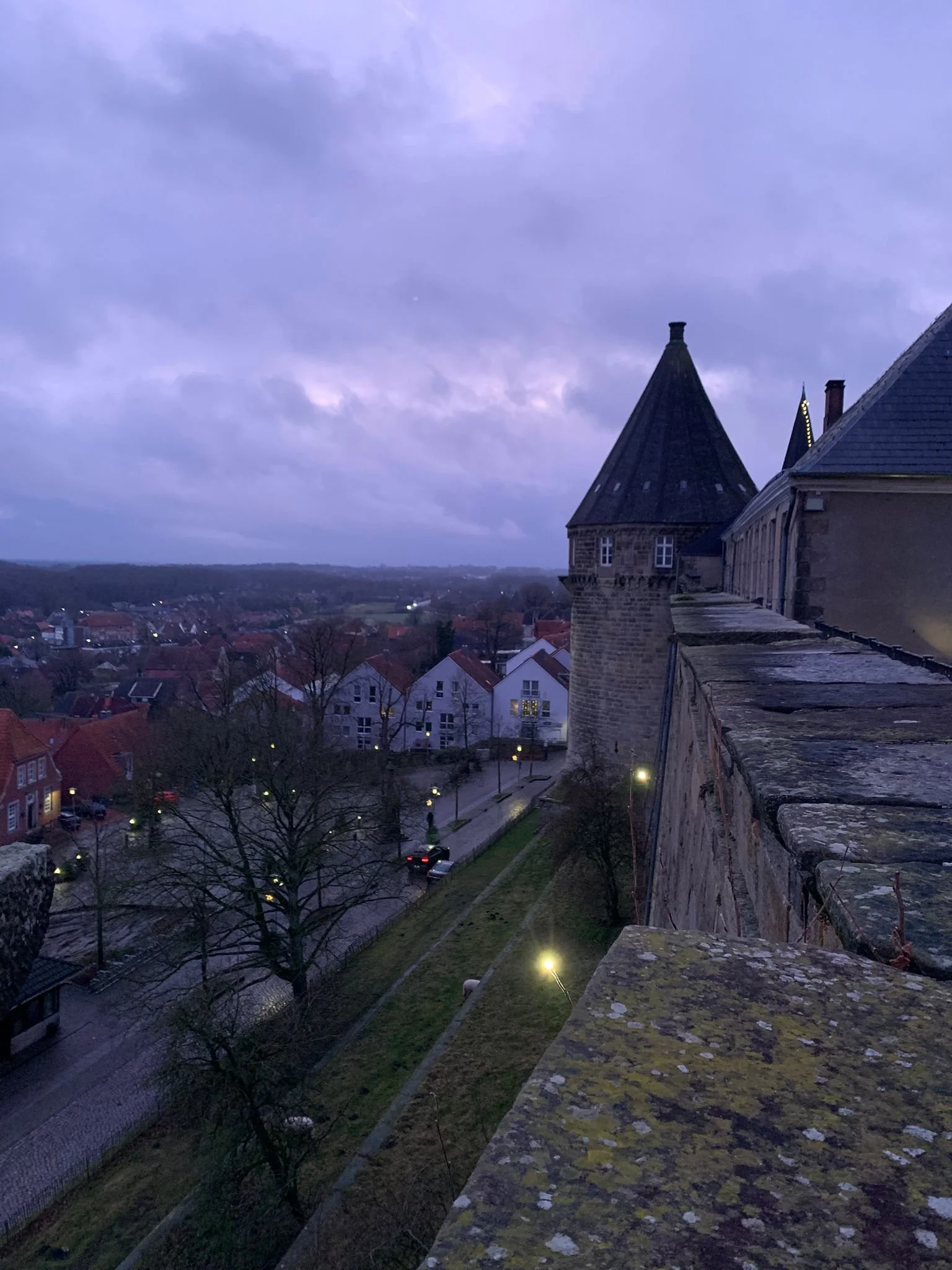
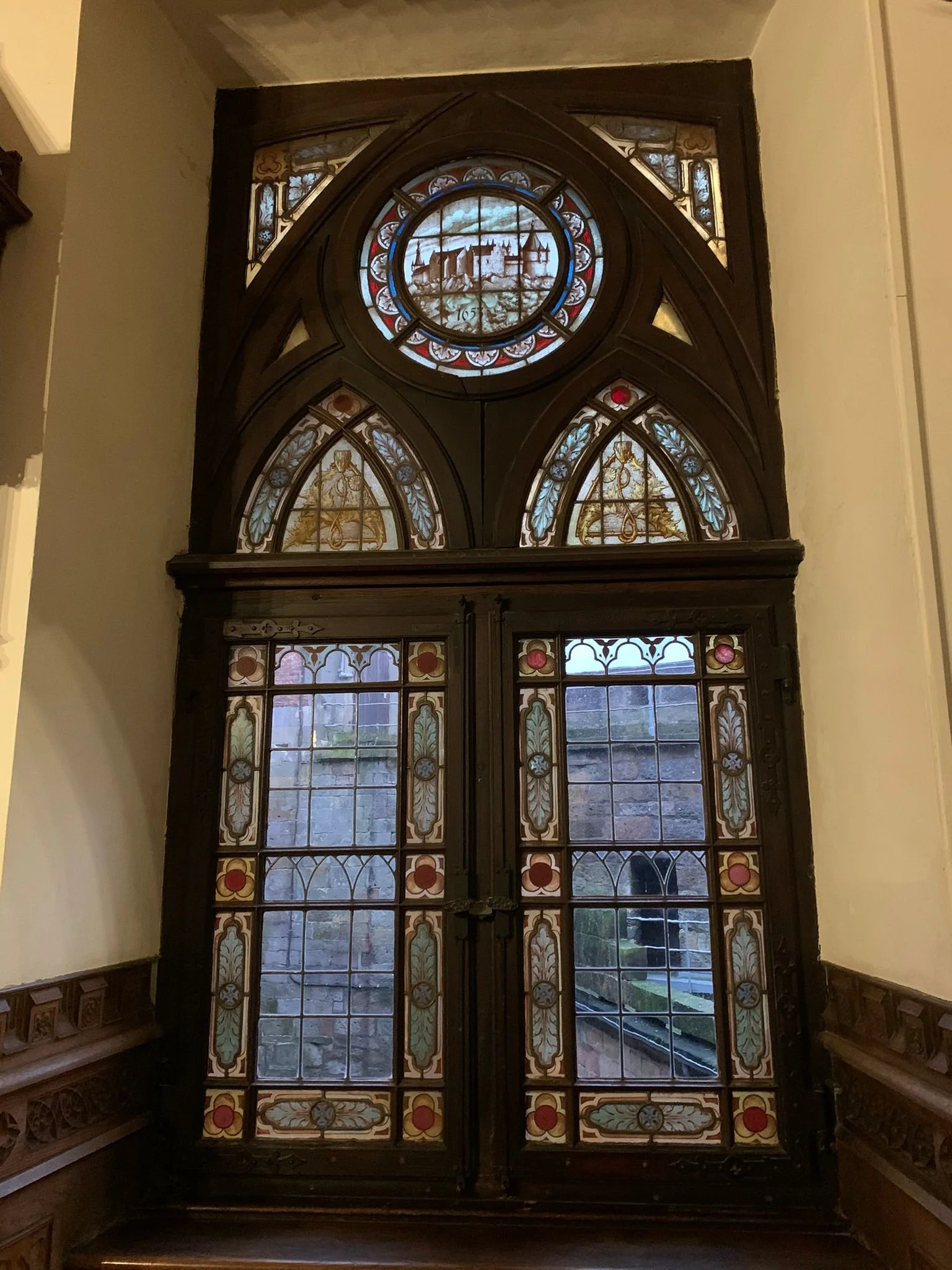
Nevertheless, Burg Bentheim itself carries a long and complex history. It is described as the largest hilltop castle in northwest Germany, with its first documented mention dating back to 1050. Over the centuries, it has been shaped by war, military campaigns, epidemics, aristocratic ownership, restoration and preservation. These historical layers are not only factual background information. They actively affect how the site is experienced. A castle is not simply an old building. It is an architectural form connected to defence, control, visibility and power. Its elevated position, thick walls and enclosed rooms all remind the viewer that architecture can organize bodies and social relations.
For this reason, the GOPEA-Kunstraum exhibition cannot be understood as taking place inside a neutral room. Burg Bentheim does not function like a silent container for art. It becomes an active presence within the exhibition. The castle shapes the viewer’s perception by creating a specific atmosphere of weight, distance, preservation and historical authority. At the same time, the contemporary artworks interrupt the monument’s stability. They introduce new, often experimental artistic voices into a space associated with inheritance and permanence.
This paper argues that when contemporary art enters a historical monument, such as Burg Bentheim, the artwork no longer exists as an isolated object. Its meaning becomes entangled with the architecture, atmosphere and memory of the site. The viewer is therefore not only looking at contemporary art. They are also confronting the conditions that surround it - history, authority, preservation, silence and the invisible structures of power embedded in the walls. In this sense, the exhibition becomes less about viewing artworks separately and more about understanding, how space itself participates in the production of the meaning.
The Historical Monument as an Active Structure of Meaning
A historical monument is often approached as something stable and complete. It appears to belong to the past, as if its meaning has already been decided by history, preservation and cultural heritage. Visitors often encounter monuments through admiration - they visit them, photograph them, walk through them and read them as evidence of another time. However, a monument is never only a remnant of the past. It is also an active system of memory. It shows what a society has chosen to protect, what it has turned into heritage and what it has allowed to disappear or remain unspoken.
In this sense, monuments do not simply preserve history, they organize it. They create a selective version of the past by giving certain buildings, people and narratives cultural value. This means that preservation is never completely neutral. To preserve something is also to make a decision about what deserves continuity. A castle, such as Burg Bentheim, therefore, does not only represent architectural survival. It also represents a history of power, ownership, social hierarchy and cultural memory.
Burg Bentheim carries this double role very strongly. On one level, it is an architectural object - a castle built from stone, placed on a hill, connected to regional history, aristocratic inheritance and the long development of the surrounding area. On another level, it functions as a symbolic structure. Its form is associated with endurance, authority, protection, control and separation. A castle is never innocent architecture. It was not originally built only to be beautiful or admired. It was built to defend, to watch, to regulate access and to dominate the landscape around it.
This is important, because architecture does not only provide shelter or visual form. It also shapes relationships between people. Thick walls, elevated positions, gates, towers and enclosed rooms all create distinctions between inside and outside, protected and excluded, powerful and vulnerable. The castle, therefore, carries historical meaning not only through its age, but through its function. Its architecture remembers systems of defence, ownership and social order.
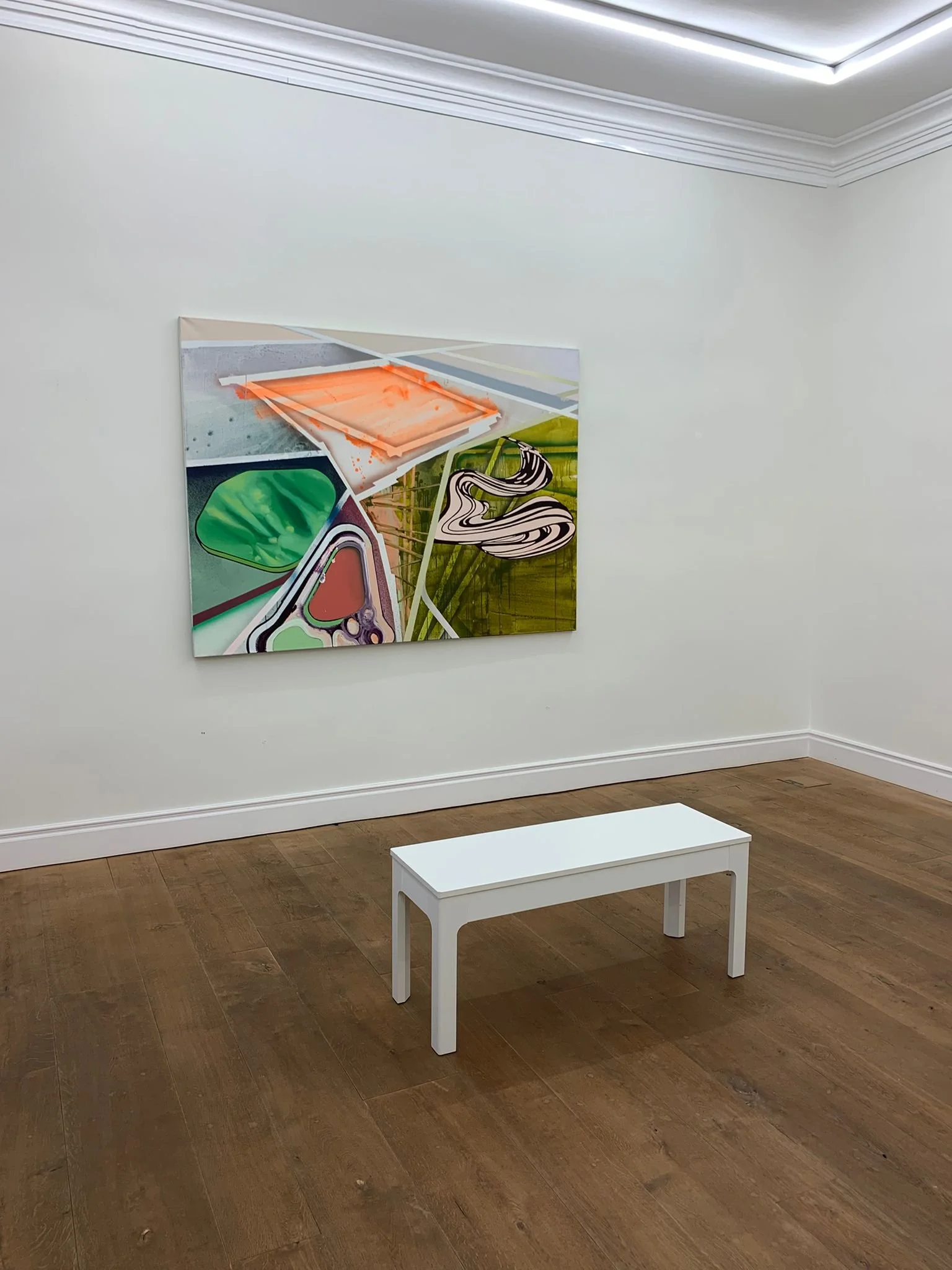
This deeply affects the experience of contemporary art shown inside it. In a traditional modern gallery, especially the so-called white cube, the exhibition space often tries to appear invisible. White walls, controlled lighting and minimal decoration are meant to create the impression that the artwork can be seen on its own, separated from external context. The room is designed to step back, allowing the artwork to appear autonomous.
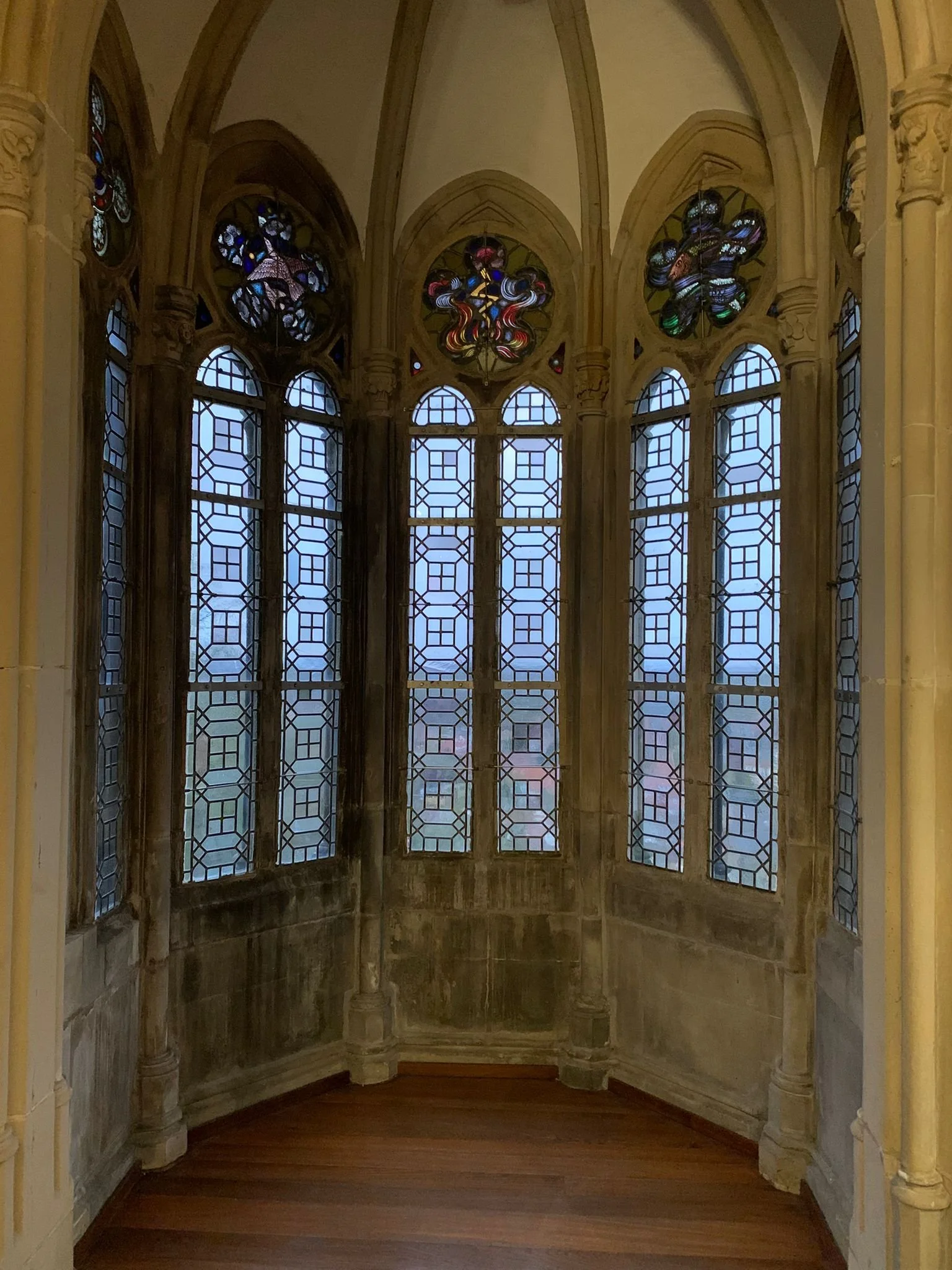
Burg Bentheim does the opposite. It refuses to disappear behind the artworks. Its stone walls, historical surfaces, spatial limitations and atmosphere remain constantly present. The viewer cannot forget where they are. The castle’s material presence enters the act of looking and becomes part of the interpretation. Instead of neutralizing context, the building intensifies it.
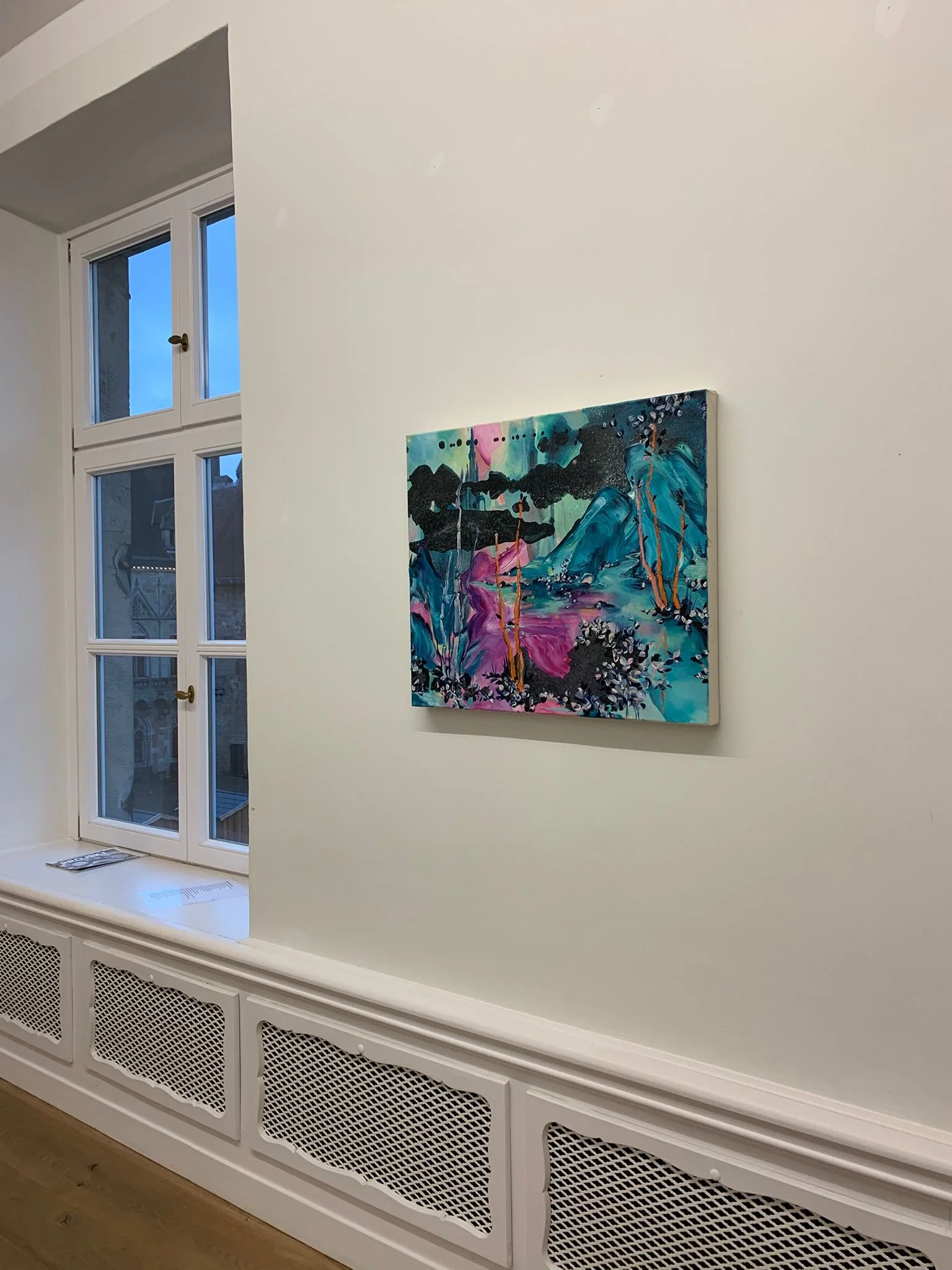
As a result, the contemporary artworks are not simply displayed inside the castle. They are placed in relation to it. Their meaning is shaped by the surrounding architecture. A fragile object may appear even more delicate against the heaviness of stone. A minimal work may become more charged, because of the historical density around it. A colourful or experimental contemporary piece may seem to interrupt the seriousness and authority of the monument. In each case, the artwork is not experienced alone, it is experienced through the conditions of the site.
This creates a dialogue between the artwork and the monument. The castle gives the artworks historical weight, but the artworks also change, how the castle is perceived. They prevent the monument from appearing only as a preserved object of admiration. Instead, they make the viewer more aware of the castle’s atmosphere, authority and symbolic power. Contemporary art can reveal what the monument usually hides - the fact that historical spaces are not neutral, but shaped by social and political meanings.
The castle, therefore, turns looking into a negotiation. The viewer must negotiate between the artwork and the architecture, between the present and the past, between aesthetic experience and historical awareness. To look at art inside Burg Bentheim is also to look at the conditions that frame it. The exhibition becomes not only a display of contemporary works, but a situation, in which space itself produces meaning.
Architecture Before Interpretation
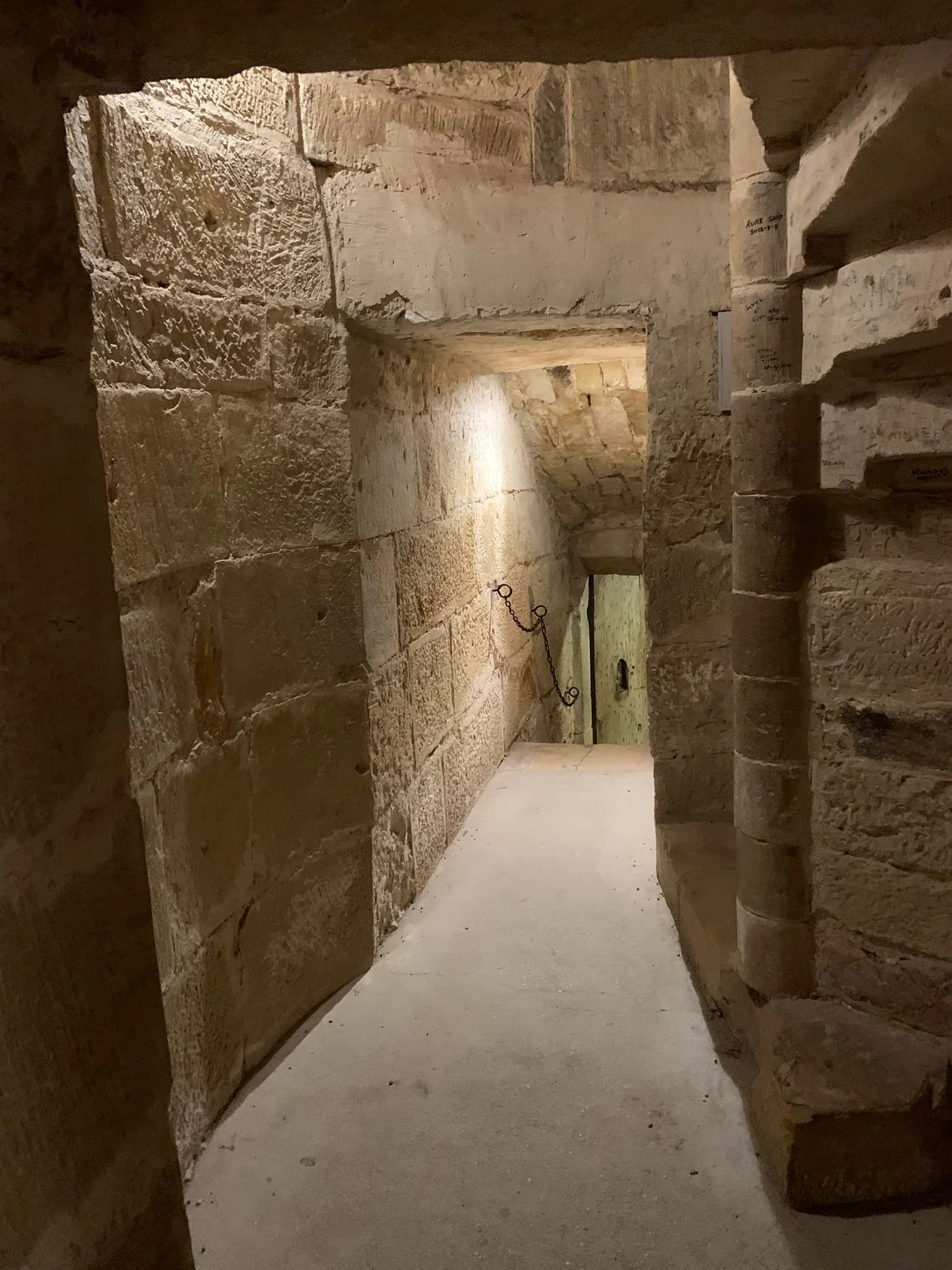
Before an artwork is understood intellectually, it is often experienced physically. The body responds before language begins. Scale, light, temperature, sound, distance and movement all influence the viewer’s perception. A room can slow the pace of walking, a low ceiling can create pressure, a wall can produce separation and a narrow corridor can create tension. In this way, architecture does not simply surround the artwork, it prepares the viewer for a particular kind of encounter.
At Burg Bentheim, this physical experience becomes especially important. The castle shapes perception before the viewer has time to analyze the artworks themselves. Its stone surfaces, enclosed spaces, historical rooms and heavy atmosphere create a rhythm of looking that is very different from a modern gallery. In a white cube space, the viewer is usually encouraged to move freely and focus mainly on the artwork. In a castle, however, movement is already directed by the building. The viewer becomes aware of thresholds, walls, corners and passages. The body is not neutral, it is guided by the monument.
This means that the castle functions almost like a silent curator. It organizes how the viewer approaches the artworks, how long they pause, from what distance they look and what emotions are present during the encounter. Unlike a written label or curatorial text, architecture does this without language. It influences perception through atmosphere, materiality and spatial pressure.
As a result, the artworks are not experienced as isolated visual objects. They become events taking place inside a historically charged environment. Their meaning is shaped by the silence, weight and memory of the castle. The building becomes the first layer of interpretation, creating an emotional and physical framework before intellectual analysis begins.
This raises an important question: is the viewer responding to the artwork itself, or to the atmosphere that surrounds it? In the case of GOPEA-Kunstraum at Burg Bentheim, the answer is both. The strength of the exhibition lies in the fact that these two experiences cannot be fully separated. The artwork and the architecture form one encounter, where meaning is produced through their relationship.
The Former Marstall: Reuse, Labour, and Contemporary Visibility
The location of GOPEA-Kunstraum in the former Marstall is especially significant, because the space already carries a specific historical function. A Marstall, or stable building, was connected to horses, labour, movement, maintenance and the practical organization of aristocratic life. It may not have been the most ceremonial part of the castle, but it was still essential to the functioning of the estate. In this sense, the Marstall reminds us that power does not only exist in grand halls and towers, but also in the everyday spaces that support them.
By transforming this former stable into an exhibition venue, GOPEA changes the role of the space. A place once connected to service, routine and aristocratic infrastructure becomes a platform for young contemporary artists. This shift is important, because it shows that historical architecture does not have one fixed meaning. A space can be reused and reinterpreted without completely losing the traces of its past.
The old function of the Marstall, therefore, remains present beneath its new cultural role. The artworks do not enter an empty or neutral room, they enter a space marked by former labour, movement and practical use. This creates a layered experience, in which contemporary art is seen alongside the memory of the building’s earlier purpose.
There is also a meaningful contrast between the young artists and the historical authority of the castle. The artists’ works may be experimental, uncertain, or still developing, while the castle appears solid, inherited and culturally legitimized. This contrast creates the main tension of the exhibition. Contemporary art interrupts the stability of the monument and shows that historical spaces are not finished or closed. They can still be reactivated, questioned and given new meanings.
Contemporary Art as a Disturbance of Historical Silence
Historical monuments often create a particular kind of silence. This silence can feel beautiful, respectful and almost sacred, but it can also be misleading. When a monument is preserved and presented as heritage, its history can appear calm, noble and complete. The conflicts, labour, exclusions and social hierarchies that shaped the site may become less visible. In this way, preservation can sometimes soften history. It can turn power into atmosphere and make the past seem more harmonious than it actually was.
Contemporary art has the ability to disturb this silence. It does this not necessarily by directly criticizing the monument, but by creating a new situation inside it. When contemporary artworks are placed inside Burg Bentheim, they interrupt the idea that the castle belongs only to the past. Their presence introduces the present into the historical space and forces the viewer to notice the relationship between, what is preserved and what is newly added.
At Burg Bentheim, the artworks do not simply decorate the historical setting. They change how the space is read. They ask the viewer to see the castle not only as a beautiful heritage site, but also as a structure shaped by human decisions, social hierarchy, ownership, labour and exclusion. The presence of contemporary art makes the monument less stable, because it prevents the viewer from accepting the historical space as a finished story. It creates a crack in the smooth surface of preservation.
This disturbance can be subtle. The artworks do not need to attack the castle directly in order to question it. Sometimes the contrast itself is enough. A contemporary object, material, colour, or form placed inside an old architectural space immediately produces tension. Its newness becomes visible against the age of the monument. Its uncertainty becomes meaningful against the castle’s appearance of permanence. The viewer begins to ask, what belongs in such a place, who is allowed to enter history and which voices are preserved, while others remain temporary or forgotten.
This is where the exhibition becomes more than an aesthetic experience. It becomes a confrontation with memory. The viewer is invited to understand history not as something distant and finished, but as something that continues to shape space, behaviour and feeling. The castle organizes, how people move through it, how they look and how they respond emotionally to what is shown. In this sense, the monument does not only contain the artworks. It also contains the viewer, placing them inside a relationship between past and present.
The power of contemporary art in this setting lies in its ability to make that relationship visible. It reminds us that historical spaces are never neutral. They are full of choices about what is remembered, what is protected and what is left unspoken. By entering Burg Bentheim, contemporary art does not erase the silence of the castle. Instead, it makes the silence audible.
The Viewer Between Two Times
One of the strongest aspects of the GOPEA-Kunstraum exhibition is the way it places the viewer between different layers of time. Burg Bentheim belongs to a long historical duration, while the contemporary artworks belong to the present moment. The viewer stands between these two temporalities - the permanence of the monument and the immediacy of young artistic practice.
This contrast changes the act of looking. Inside the castle, the present can feel brief and fragile. The stone walls suggest endurance, while the artworks introduce something temporary, experimental and unfinished. The castle has survived changes in ownership, conflict, restoration and cultural meaning, whereas the artworks speak from a contemporary world that is still forming and uncertain.
The viewer becomes the point, where these different times meet. Looking is no longer only a visual act, it becomes a form of translation between past and present. The eye moves between artwork and architecture, between new materials and old stone, between contemporary gestures and historical traces.
This gives the exhibition an intimate quality, even within a monumental setting. The viewer is not only learning about history from a distance, but feeling their own temporary position inside it. The exhibition reminds us that every artwork, every visitor and every encounter is temporary. Even contemporary art, which appears new now, will eventually become part of history. Burg Bentheim makes this awareness impossible to avoid.
Preservation, Power and the Question of Neutrality
The central issue of this paper is the question of neutrality. Can an exhibition space ever be neutral? And if the exhibition takes place inside a historical monument, is neutrality even possible? Burg Bentheim shows that space always carries meaning. The castle is not only an architectural setting, but a material expression of history, authority and social order.
A castle was never designed as an innocent space. It was built to protect, to control access, to separate inside from outside and to make power visible. Its beauty cannot be fully separated from its function. The same walls that now create atmosphere once represented defence, ownership and exclusion. This does not mean the castle should only be read negatively, but it does mean that its historical authority remains part of the viewing experience.
When contemporary art is placed inside such a setting, the viewer cannot look at it as if it exists in isolation. The position of the artwork becomes part of its meaning. The viewer is encouraged to ask: why is this work here, in this room, against these walls? Does the castle give the artwork more weight and seriousness, or does it risk overpowering it? Does the artwork soften the monument’s authority, or does it make that authority more visible?
These questions are important, because they reveal that exhibition-making is never only about placing objects in space. It is also about creating relationships between artworks, architecture, history and viewers. At GOPEA-Kunstraum, contemporary art does not remove history from Burg Bentheim. Instead, it enters into contact with it. The artworks are shaped by the castle’s atmosphere, but they also change how the castle is perceived.
This creates a productive tension between preservation and change. The castle remains a heritage site, but the presence of contemporary art prevents it from being experienced only as a beautiful historical object. At the same time, the artworks are not seen as separate from their surroundings, they become part of a larger question, about how inherited spaces can be reused, questioned and reactivated in the present. In this way, the exhibition asks not only how we look at art, but how we live with the spaces and histories that have been passed down to us.
The Castle as a Living Body
Perhaps one of the most meaningful ways to understand Burg Bentheim is not as a simple container for art, but as a body. This metaphor is useful, because a body is never neutral or empty. It carries traces of time, use, damage, repair and memory. In the same way, the castle carries the marks of its historical functions, its restorations and its changing cultural meanings.
The stone walls can be understood almost like skin - they protect, enclose and show signs of age. The rooms function like internal spaces, where different forms of life once took place. The corridors guide movement like veins, directing visitors through the building. This bodily reading makes the castle feel less like a passive architectural object and more like a structure that has absorbed centuries of human presence.
When contemporary art enters this historical body, it introduces a new rhythm into the space. The artworks do not replace the castle’s past, but they prevent it from becoming only a preserved relic. They reactivate the building by creating new relationships between past and present, stillness and movement, preservation and experimentation.
This is important, because monuments can sometimes become too stable in how they are understood. They can be admired as beautiful historical objects without being questioned. Contemporary art interrupts this stability. It makes the castle feel alive again, not because it removes its history, but because it allows that history to be experienced differently.
At GOPEA-Kunstraum, the artworks therefore do not simply hang or stand inside the castle. They enter into a relationship with the building’s material and symbolic body. They become temporary presences inside a much older structure. The viewer, moving through this body, also becomes part of the encounter, experiencing the castle not only as history, but as a living space that continues to produce meaning.
Looking at Art, Confronting Place
When contemporary art is placed inside a historical monument, the viewer is never looking at the artwork alone. The surrounding architecture, history, atmosphere and material presence all become part of the experience. At Burg Bentheim, the GOPEA-Kunstraum exhibition makes this especially clear. The castle does not function as a neutral background for contemporary art. It shapes the way the artworks are seen, felt and interpreted.
The exhibition shows that architecture is active. It directs movement, slows the body, frames the gaze and gives emotional weight to the artworks placed inside it. Burg Bentheim’s history - its age, authority, preservation, silence and connection to power - becomes part of the meaning of the exhibition. The artworks do not escape this history. Instead, they enter into relation with it. They absorb the atmosphere of the castle, but they also interrupt and transform it.
The research question, therefore, leads to a layered answer. We are still looking at the artworks, but we are also looking through them at the historical space itself. Contemporary art becomes a tool for seeing the castle differently. It reveals that historical monuments are not passive containers of culture, but active structures that influence meaning. The castle gives the artworks context, while the artworks make the castle’s history, authority and silence more visible.
In this way, the exhibition becomes less about separate objects and more about encounter. It asks the viewer to notice, how space participates in interpretation, how architecture carries memory and how history continues to shape the present. GOPEA-Kunstraum does not simply place contemporary art inside Burg Bentheim, it creates a dialogue between past and present, permanence and temporality, preservation and change.
Inside Burg Bentheim, the artworks do not simply occupy the castle. They reactivate it. They make the monument feel less like a closed historical object and more like a living space that can still be questioned, reinterpreted and awakened.
An additional exhibition review is available through this link. https://drive.google.com/file/d/1Fa5PZVmMNPHVjKjUbNx-jGDlKdHztpaR/view?usp=sharing
Here, I take a closer look at the artworks, reflecting on their visual presence, emotional atmosphere and the way they contributed to my understanding of the exhibition.
This research paper is also informed by my own visit to the GOPEA-Kunstraum exhibition in December, 2025. The exhibition took place in the former Marstall of Burg Bentheim, located in Bad Bentheim, Lower Saxony, Germany. This personal encounter with the site shaped my understanding of the relationship between the contemporary artworks, the historical architecture and the atmosphere of the castle.
Bad Bentheim. “Burg Bentheim: Ausstellung ‘start56.’” Bad Bentheimer / i-Punkt, Spring–Summer 2024.
Beltjens, Nelleke. “APPRECIATE THE DETAILS @ Burg Bentheim Gopea Kunstraum, Germany.” Artist website, 2022.
Burg Bentheim. “About the Castle.” Burg Bentheim Official Website.
Büttner, Nils, and Gerd Unverfehrt, eds. Ruisdael in Bentheim: Ein niederländischer Maler und die Burg Bentheim im 17. Jahrhundert. Landkreis Grafschaft Bentheim and Museumsverein für die Grafschaft Bentheim.
Buvelot, Quentin. Jacob van Ruisdael Paints Bentheim. The Hague: Mauritshuis, 2009.
EBIDAT. “Burg Bentheim.” Die Burgendatenbank.
GOPEA. “Kunstraum.” GOPEA.
GOPEA-Kunstraum. “Konzept.” GOPEA-Kunstraum.
Köckeritz, Wolfgang. Burg Bentheim. Große Baudenkmäler 314. München/Berlin: Deutscher Kunstverlag, 1978.
Kwon, Miwon. “One Place after Another: Notes on Site Specificity.” October 80 (Spring 1997): 85–110.
Kwon, Miwon. One Place after Another: Site-Specific Art and Locational Identity. Cambridge, MA: MIT Press, 2002.
Lefebvre, Henri. The Production of Space. Translated by Donald Nicholson-Smith. Oxford: Blackwell, 1991.
Mauritshuis. “View of Bentheim Castle.” Mauritshuis Collection.
Münsterland e.V. “Bentheim Castle.” Münsterland Tourism.
Nora, Pierre. “Between Memory and History: Les Lieux de Mémoire.” Representations 26 (Spring 1989): 7–24.
O’Doherty, Brian. Inside the White Cube: The Ideology of the Gallery Space. Berkeley: University of California Press, 1999.
Young, James E. “The Counter-Monument: Memory against Itself in Germany Today.” Critical Inquiry 18, no. 2 (1992): 267–296.
Young, James E. “Memory and Counter-Memory.” Harvard Design Magazine 9 (1999).
